

I. Introduction
In pipeline and piping systems for the petroleum and natural gas industries, API 6D is one of the most referenced standards for valve procurement, design, and acceptance. API has published the 25th edition of API Spec 6D, which defines requirements for the design, manufacturing, assembly, testing, and documentation of ball, check, gate, and plug valves for pipeline and piping applications. The current edition also includes updates that address hydrogen gas service, showing that the standard continues to evolve with industry needs.
II. What Is an API 6D Trunnion Ball Valve?
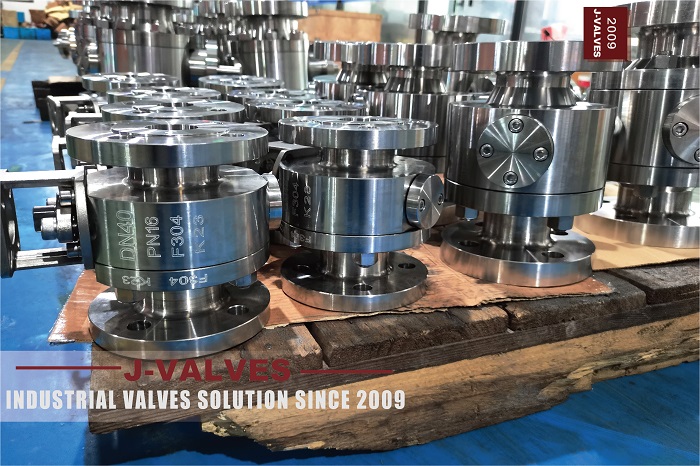
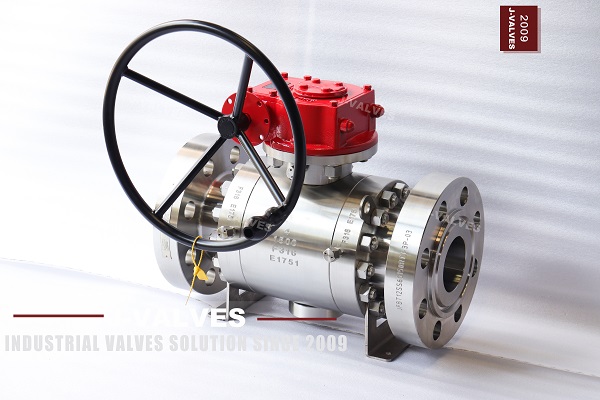
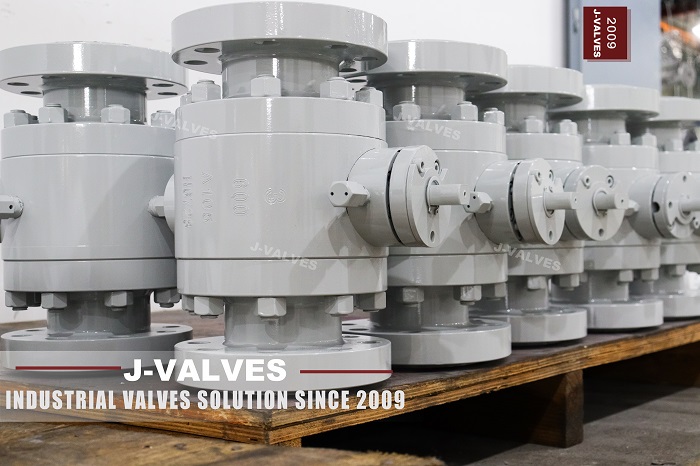
A trunnion ball valve is built for stable performance in high-pressure and large-diameter service. Compared with a floating ball valve, the ball is supported by upper and lower trunnions, which helps reduce operating torque and makes the valve a strong choice for pipeline isolation and long-distance transport. Since API 6D is a pipeline valve specification, trunnion ball valves are often selected for critical oil and gas projects.
III. Key API 6D Compliance Requirements
API 6D covers more than a basic open/close function. It includes requirements for design standards, pressure and temperature ratings, sizes, face-to-face and end-to-end dimensions, valve operation, pigging, valve ends, cavity pressure relief, drains, injection points, documentation retention, nondestructive examination, and supplementary testing. For buyers, that means compliance is about complete traceability and pipeline reliability, not just a catalog claim.
IV. Why Quality Levels and Testing Matter
API 6D includes Quality Specification Levels (QSLs) from QSL 1 to QSL 4. QSL 1 is the base level defined by API 6D, while QSL 2 through QSL 4 may be specified by the purchaser. Higher QSLs increase the stringency of NDE, pressure testing, and manufacturing documentation requirements. For critical service, test records and manufacturing documentation are often as important as material selection.
V. Why the Industry Adopts Trunnion Ball Valves
The industry adopts trunnion ball valves because they perform well in demanding service conditions such as high pressure, large bore pipelines, frequent cycling, and difficult media. Flowserve’s public LNG and upstream information shows trunnion-mounted and floating ball valves being used in oil and gas production, injection service, and LNG applications. Flowserve also notes that LNG service involves cryogenic temperatures, ultra-high pressures, erosion, and corrosion challenges.
VI. Global Adoption of API 6D
API states that its standards are developed through an ANSI-accredited process, are widely adopted across the industry, and are increasingly recognized by international regulators. API’s international usage report also shows API 6D being referenced in multiple national standards frameworks, including Kuwait, Korea, and Qatar. For exporters and global valve manufacturers, API 6D compliance is therefore both a technical requirement and a market access advantage.
VII. What Buyers Should Check Before Purchasing
Before placing an order, buyers should confirm the API 6D edition, verify traceable material and test documentation, check whether the required QSL level is supported, and confirm whether the valve design is suitable for LNG, hydrogen, or other special services. Because API 6D places strong emphasis on records, inspection, and final assembly documentation, a supplier’s documentation discipline is a strong indicator of product quality.
VIII. Conclusion
API 6D trunnion ball valves remain a preferred choice for oil and gas pipelines because they combine standard compliance with strong mechanical reliability. For projects that demand safety, traceability, and international acceptance, selecting a valve that truly conforms to API 6D is a practical and competitive solution.