

CHINA J-VALVES Offers Various High-quality I ndustrial Ball Valves
J-VALVES, a distinguished professional ball valve manufacturer rooted in China, takes pride in its extensive product portfolio. Our offerings span a wide range, including trunnion-mounted ball valves, floating ball valves, high-temperature ball valves, high-pressure ball valves, metal-sealed ball valves, ultra-low temperature ball valves, DBB ball valves, Three-way And Four-way Ball Valve, and fully welded ball valves. Each product is a testament to our commitment to precision engineering and reliable performance. Meticulously crafted, they are designed to not only meet but exceed the most stringent industrial demands, ensuring stable operation even under extreme conditions. This enables us to provide our clients with high-value services and makes our valves widely sought-after in industries.
Product Category
Contact Us

Pressure Class: Class 150 ~ Class 2500 (PN20 ~ PN420)
Temperature Range: -29℃ to +425℃
Body: ASTM A105N / A350 LF2 (carbon steel, low-temperature grade), ASTM A182 F304/F316 (stainless steel)
Ball: A105N / F304 / F316 with Stellite hardfacing, tungsten carbide spray coating
Seat: A105N / F304 / F316 with Stellite hardfacing, Inconel nickel‑based alloy hardfacing
Stem: F316 / 17-4PH / Inconel 718
Sealing Material: PTFE, RPTFE, PPL, metal hard seal (Stellite alloy, tungsten carbide, nickel‑based alloy)
Packing: Flexible graphite, braided graphite reinforced with Inconel wire
Weld Ends: Conforming to ASME B16.25 / API 6D
End Connection: Butt Weld (BW), fully welded structure, in accordance with ASME B16.25 / API 6D
Operation: Pneumatic‑hydraulic (standard), local manual hydraulic pump, local pneumatic, remote SCADA control
Actuating Air Supply: Line natural gas (0.5~1.0 MPa) or nitrogen
Hydraulic System: High-pressure hydraulic oil (10~20 MPa), driven by air‑to‑hydraulic conversion
Actuating Time: 15~120 seconds (adjustable, depending on size and pressure class)
Emergency Shutoff Time: << 30 seconds (typical)
Control Modes: Local manual hydraulic pump, local pneumatic, remote electric/pneumatic, automatic emergency shutdown
Safety Functions: Rupture Pin / Line Protection System (LPS), low-pressure protection, pressure drop rate protection, ESD emergency shutdown
Optional Accessories: Solenoid valve, limit switch, position transmitter, accumulator, manual hydraulic pump, solar power unit, SCADA communication module
Design Standard: API 6D, ASME B16.34
Test Standard: API 6D, API 598
Face-to-Face Dimension: In accordance with ASME B16.10
-
J-VALVES
Fully Welded Structure:The valve body is connected to the pipeline by full butt weld (BW) without flange sealing faces or bolted connections, completely eliminating external leakage risks. Featuring a compact structure and light weight, it is about 30%~40% lighter than flanged valves. It allows direct buried installation and is maintenance-free over its entire service life.
Trunnion Mounted Design:The ball is supported and fixed by upper and lower trunnions. Initial sealing is achieved by seat spring preloading, with medium pressure further enhancing the sealing effect. With low operating torque, it is suitable for high-pressure and large-size applications, preventing seal failure caused by excessive ball displacement due to pressure differential, ensuring accurate and smooth actuation by the pneumatic-hydraulic actuator.
Power Source:Driven by pipeline natural gas or nitrogen, requiring no external power supply. Ideal for field, non-electrical, explosion-proof and remote areas.
Air-Hydraulic Conversion:Gas drives hydraulic oil to achieve smooth and controllable valve operation, delivering high output torque and stable motion.
Quick Shutoff:Fast response, completing closure within seconds in emergency situations to prevent accident escalation.
Local / Remote Control:Supports local manual hydraulic pump, local pneumatic operation, remote SCADA control and automatic emergency shutdown.
Line Rupture Protection (Rupture Pin / LPS):Automatically closes the valve upon detecting an over-limit pressure drop rate, preventing escalation of pipeline rupture accidents.
ESD Emergency Shutdown:Automatically performs emergency shutdown upon receiving an ESD signal to ensure system safety.
Full Bore Design:The flow passage diameter matches the pipeline inner diameter, resulting in extremely low pressure drop and allowing smooth passage of pipeline pigs to meet the requirements of cleaning and inspection for long-distance pipelines.
Suitability for Direct Buried Installation:The fully welded structure has no external leakage points, enabling direct buried installation without valve pits or with greatly reduced pit dimensions. Extended stem and top protective sleeve are available as options for ground-level operation.
Gas Hydraulic Actuated Fully Welded Trunnion Mounted Ball Valve 3D Diagram


2-3 piece body
Full andreduced bore trunnion mounted
Double block and bleed
Single or double piston effect design anti-blow out stem
Anti-static device
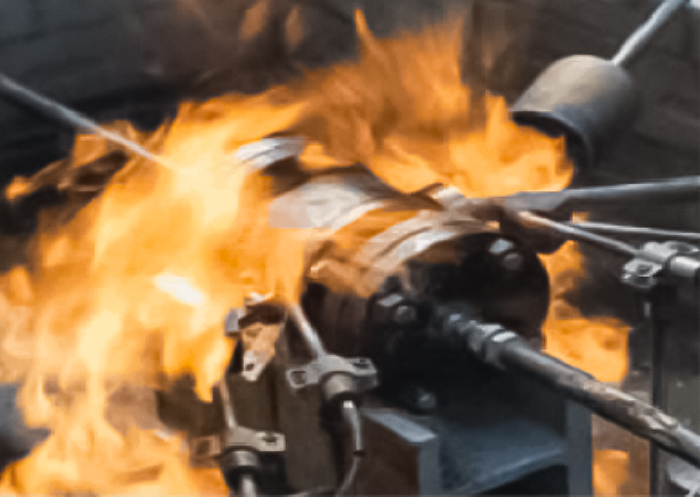
Firesafe to AP1-607/6FA/IS0 10497 springloaded seats
Sealant in jection on request NACE MR-01-75
API Licenses:
API6D
API6DSS
API6A-PSL4
Pressure Class:
ASME 150-2500
API 2000-15000
Service Type:
Standard Temperature:-29℃ to 220℃/-20°F to 428°F
Low Temperature:-46℃ to 150℃/-50°F to 302°F
Cryogenic Temperature: -47℃ to -196℃/-52°F to-320°F
Subsea(Shallow &Deep Water)
Underground
High Temperature:Above 220℃/428°F
J-VALVESSPE can supply a range ofseat types and configurationsto meet specific process needs:
J-VALVES trunnion mounted ball valves standard seat ringsare soft-seated by the use of athermoplastic or elastomeric or Meta
Seats-Tungsten /Chrome carbide /ENP

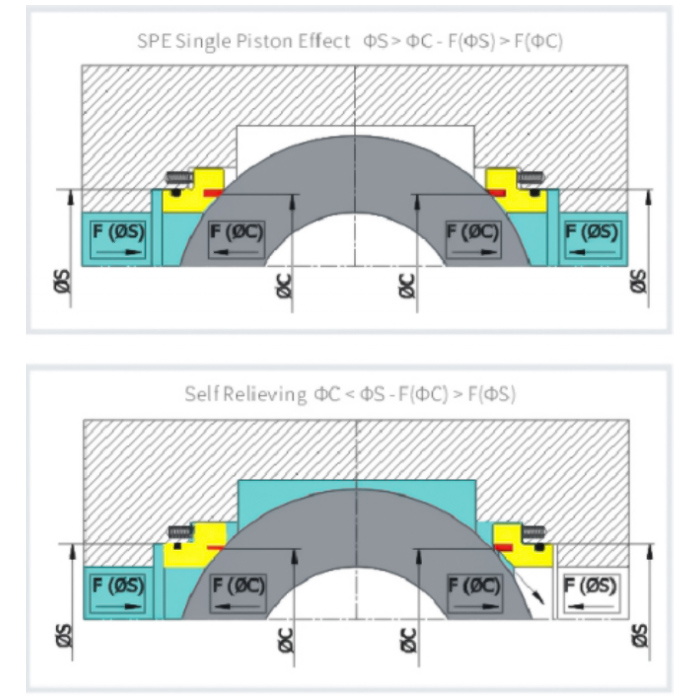
Single Piston (SPE) , Double Piston effect (DPE) and Combination (SPE x DPE) seats are available.
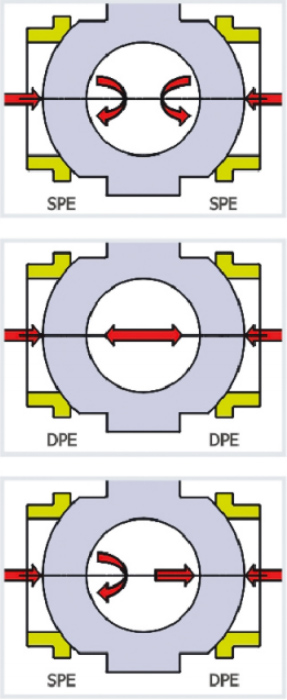
| Seat Design | Single piston effect (SPE) | Double piston effect(DPE)-DIB 1 | Combined DIB 2 |
| Bi-directional sealing | Yes | Yes | Yes |
| Body-Cavity Self relieving | Yes | No | Yes |
| Double Barrier | No | Yes | Yes (preferred direction only) |

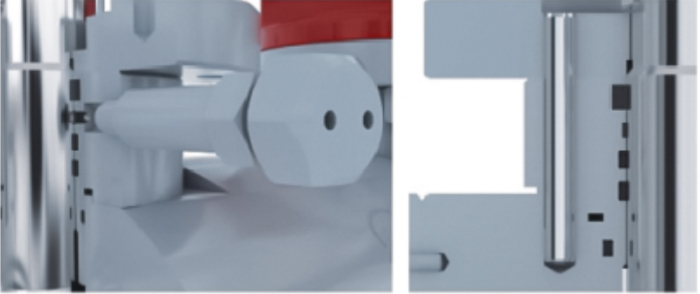
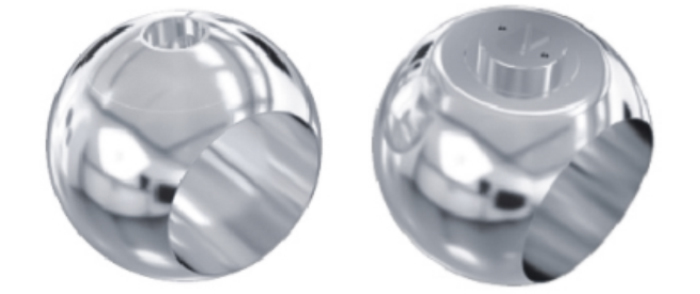
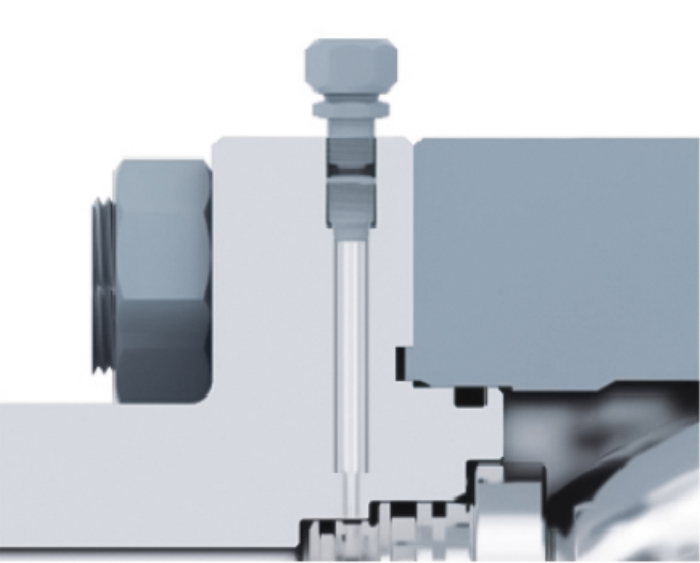
Emergency Seat Injection
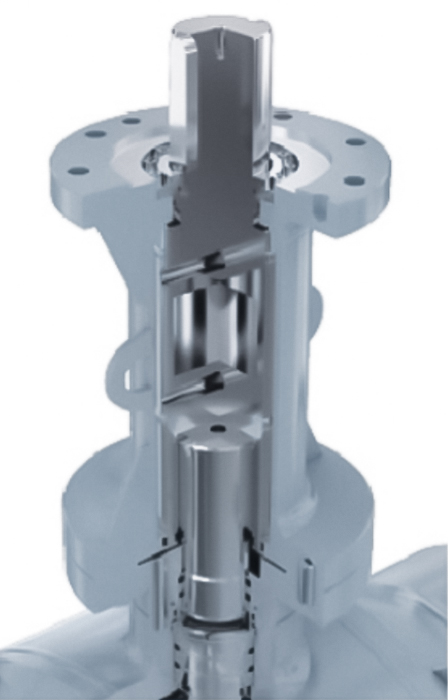
Emergency grease in jection fitting forseat rings are standard for6" and larger valves and as option on sizes 2"-4".
An eedle valve, complete with non return check valve is screwed in the bodyand connected to theseatrings.
The emergency sealantinjection can temporarily solve leakage problems, seatsshall be re paired at the first opportunity.
For valves smaller than 6" seat sealant in jection fitting can beprovided in the body cavity
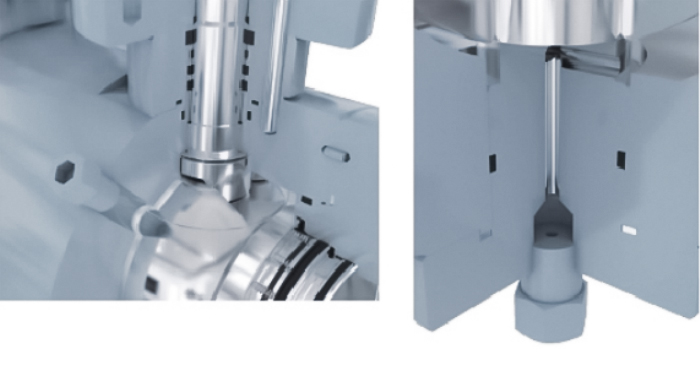
Body Vent & Drain
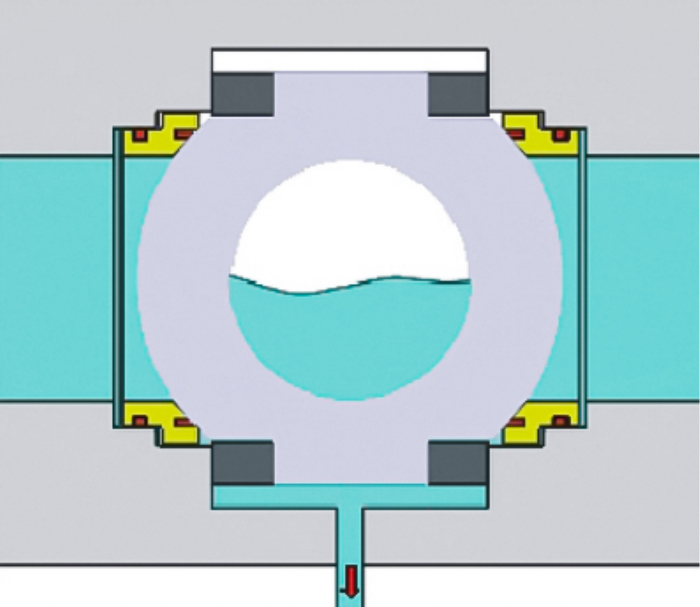
All J-VALVES SPE TMBV are complete with ascrewed NPT Plug, located in thelower side of the body completedraining of the body cavity.
For valves up to size 4"the drain and vent are combined in oneport.
Extended Stem
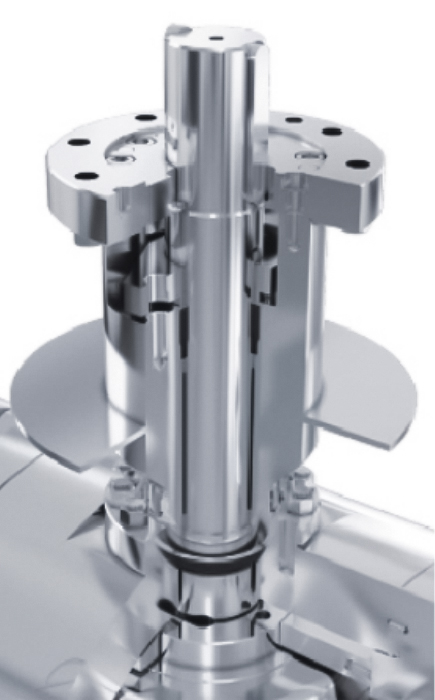
Extended stem is supplied for Underground in stalla tion.
The stem seals arelocated inthe body Gland Plate.
The stem extension isnot affected by eventual stem seal failure.
Double Piston Effect
Extended bonnets are available for Cryogenic or high temperature service or special applications requiring this facility features.





Hot Products


News
Trunnion Ball Valve Selection And Failure Avoidance — What It Actually Costs When A Floating Ball Valve Is Specified for High-Pressure Or Large-Bore Isolation
Trunnion ball valve selection is not about size alone — it is about what happens when the seat configuration is wrong. This guide gives API 6D-based rules you can put in a datasheet: when trunnion construction is mandatory above NPS 6 or Class 600, how single vs double piston effect seats decide whether an external cavity relief valve is required, what goes wrong when a DIB-2 valve is installed backwards, and the 12 RFQ items that prevent most field failures. Includes a failure-mode table and extractable if-then decision rules.
Read More
Bronze Floating Ball Valves in Machining Workshops: Selection, Materials And Testing Boundaries
How to specify bronze floating ball valves for machining workshop compressed air, coolant and wash water: materials, ports, ratings and standard boundaries.
Read More
WCB Floating Ball Valve: ASTM A216 Limits, Offshore Failure Modes & Selection Boundaries
Where do WCB floating ball valve limits actually sit? This guide covers the ASTM A216 −29°C to 425°C window, offshore external corrosion failure mechanisms, soft seat P–T derating, and an explicit list of services where WCB must be replaced with LCC, duplex, or aluminium bronze.
Read More
C95800 Nickel Aluminium Bronze Floating Ball Valves in Offshore Seawater Service: Selection Boundaries And Failure Avoidance
Where C95800 nickel aluminium bronze floating ball valves actually work in offshore seawater: ASTM B148 data, torque and seat-load limits, the DN80 / Class 300 decision line, and how to avoid selective-phase attack and cavitation failures.
Read More