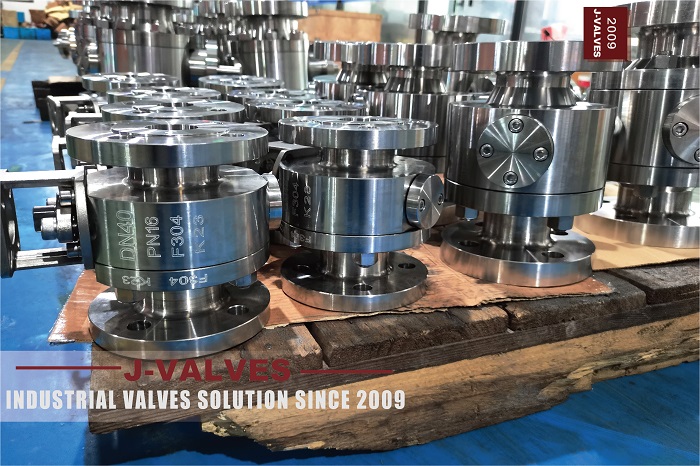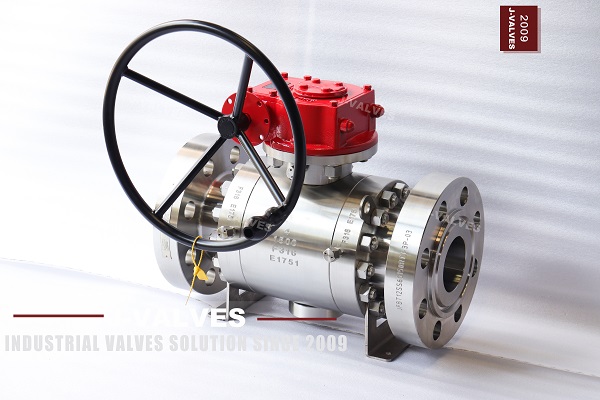


Floating ball valves are one of the most commonly used valve types in various industries for controlling the flow of fluids. These valves are particularly favored for their reliability, simple design, and versatile applications. Their robust construction and ease of operation make them ideal for use in pipelines where smooth flow control is essential.
1. What is a Floating Ball Valve?
A floating ball valve is a type of valve that uses a spherical ball to control the flow of fluid through a pipe. The ball, which has a hole or port, rotates to align with the flow path to allow the fluid to pass through. When the ball is rotated 90 degrees, the port is closed, blocking the flow.
In a floating ball valve, the ball is not fixed to the valve body but is supported by the pressure of the fluid on both sides. As the fluid flows through the valve, it pushes the ball against the valve seat, creating a tight seal. This floating design makes the valve easy to operate with minimal torque requirements, especially in smaller sizes like DN25 to DN80 (1 inch to 3 inches) valves.
2. Key Features of Floating Ball Valves
Simple Design: Floating ball valves have a relatively simple construction, consisting of the body, ball, seat, and stem. This simplicity makes them easy to manufacture, maintain, and repair, which helps reduce overall system downtime.
Leak-Free Sealing: The floating ball valve design ensures tight sealing as the ball is pushed against the seat by the flow pressure, preventing leaks during operation. This makes it suitable for high-pressure systems and critical applications.
Versatility: These valves are available in a variety of materials such as WCB (carbon steel), stainless steel, and other alloys, allowing them to be customized for different fluid types and operating conditions.
Compact Size: Floating ball valves are generally smaller and lighter compared to other valve types, making them ideal for installations in tight spaces or where weight is a consideration.
Minimal Maintenance: The floating ball design reduces wear and tear on internal components, leading to less maintenance and a longer service life compared to other valve designs.
3. How Does a Floating Ball Valve Work?
The operation of a floating ball valve is simple but effective. Here's a step-by-step explanation of how it functions:
Opening the Valve: When the valve handle or actuator is turned, the ball inside the valve rotates 90 degrees. The hole or port in the ball aligns with the flow path, allowing the fluid to pass through.
Sealing the Valve: When the valve is closed, the ball rotates to a position where the port is perpendicular to the flow path. The pressure from the fluid forces the ball against the seat, creating a tight seal that blocks any flow.
Floating Design: In a floating ball valve, the ball is not fixed in place. Instead, it floats between the upper and lower valve seats. This floating design allows the ball to shift slightly when the valve is opened or closed, ensuring that a tight seal is formed at the seat.
This design ensures efficient flow control with minimal friction, contributing to the overall durability and reliability of the valve.
4. Advantages of Floating Ball Valves
Cost-Effective: Due to their simple design and materials, floating ball valves are generally more affordable compared to other valve types. Their ease of manufacture and low maintenance costs make them a cost-effective solution for many industrial applications.
Reliable Performance: Floating ball valves offer reliable, leak-proof performance even under challenging operating conditions. The floating ball ensures that the valve closes tightly without requiring excessive torque or force.
Wide Range of Applications: Floating ball valves are versatile and can be used in a variety of fluid control systems, including liquids, gases, and even steam. They are suitable for use in industries like oil and gas, water treatment, chemicals, and power generation.
Quick Response: The 90-degree rotation of the valve allows for rapid opening and closing, which is essential in systems requiring quick response times to control flow or shut down operations.
5. Applications of Floating Ball Valves
Floating ball valves are widely used in various industries due to their versatility and performance. Below are some key applications:
Oil and Gas Industry: Floating ball valves are commonly used in oil and gas pipelines for controlling the flow of crude oil, natural gas, and other fluids. Their high sealing capability and ability to handle high pressures make them an excellent choice for upstream and downstream applications.
Water and Wastewater Treatment: In water treatment plants, floating ball valves are used to regulate the flow of water through pipes and control the flow of chemicals used in purification processes. They offer a reliable, maintenance-friendly solution for controlling fluid dynamics.
Chemical Processing: Floating ball valves are used in chemical processing plants to control the flow of various chemicals. Their leak-tight sealing properties prevent the escape of harmful substances and protect personnel and equipment.
Power Generation: In power plants, floating ball valves are used in steam and cooling water systems. Their ability to operate efficiently in high-pressure environments makes them an ideal choice for maintaining flow control in critical systems.
HVAC Systems: Floating ball valves are used in heating, ventilation, and air conditioning (HVAC) systems to regulate the flow of water or air. Their compact design makes them easy to install in confined spaces.
6. Maintenance and Longevity
Floating ball valves are known for their durability and low maintenance requirements. However, regular inspection is important to ensure optimal performance:
Seat and Ball Inspection: Periodic inspection of the ball and seat is recommended to ensure they are free from debris, corrosion, or other forms of wear that could affect sealing performance.
Actuator and Stem Maintenance: If the valve is operated by an actuator, it is important to inspect the actuator for wear and ensure that it is properly lubricated. Regular checks on the valve stem are also necessary to ensure smooth operation.
Sealing Elements: The valve seat and other sealing components should be checked for signs of wear, especially in high-pressure systems. Replacing worn seals promptly can prevent leaks and ensure the valve continues to operate effectively.
7. Conclusion
Floating ball valves offer an excellent solution for fluid control systems that require reliability, efficiency, and minimal maintenance. Their simple yet effective design makes them ideal for applications across a variety of industries, including oil and gas, water treatment, chemical processing, and power generation. By understanding their features, advantages, and maintenance needs, industries can leverage floating ball valves to enhance system performance and reduce downtime.