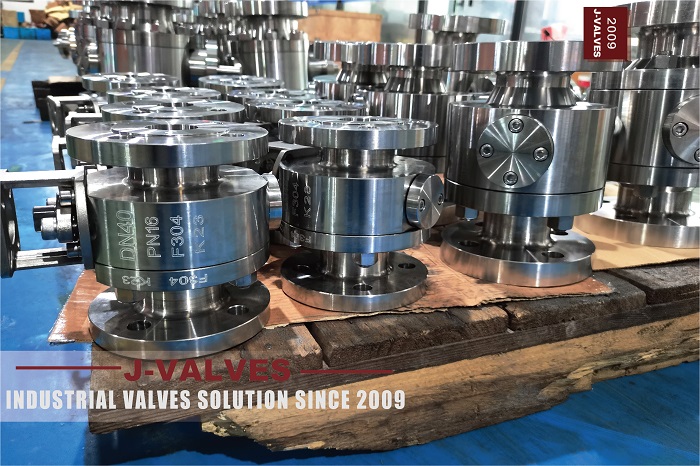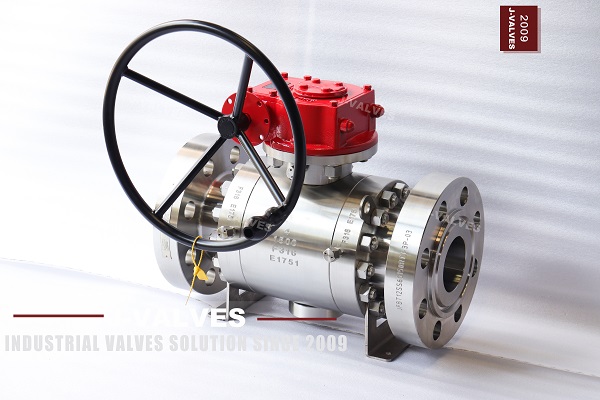


Trunnion-mounted ball valves are widely used in industrial applications due to their robust construction, reliable performance, and ease of operation under high pressure and temperature conditions. In particular, the trunnion ball valve design offers enhanced stability and durability compared to traditional floating ball valves, making it a preferred choice for critical systems in industries such as oil and gas, chemical processing, and power generation.
1. What is a Trunnion-Mounted Ball Valve?
A trunnion-mounted ball valve is a type of valve where the ball is supported by trunnions at the top and bottom. The ball is held in place by these supports, ensuring that it does not move under pressure or during operation. Unlike floating ball valves, which rely on the pressure of the fluid to hold the ball against the sealing surfaces, trunnion-mounted ball valves use mechanical support from the trunnions, making them ideal for larger sizes and high-pressure applications.
2. Key Components of Trunnion-Mounted Ball Valves
Ball: The spherical element that controls the flow through the valve. It has a hole or port that allows fluid to pass when aligned with the pipe. The ball is mounted securely on trunnions at both ends.
Trunnions: These are the pivot points on the ball valve. They provide support to the ball, ensuring that it remains stable and properly aligned, even under high pressure.
Body: The valve body contains the ball and other components and is responsible for housing and directing fluid flow through the valve.
Seat: The sealing surfaces around the ball that ensure a leak-proof seal when the valve is closed. These seats are often made from materials like PTFE, metal, or other elastomers.
Actuator: The actuator provides the mechanical force necessary to rotate the ball and open or close the valve. Trunnion-mounted ball valves can be actuated manually, pneumatically, or electrically, depending on the application requirements.
3. How Does a Trunnion-Mounted Ball Valve Work?
The operation of a trunnion-mounted ball valveis simple and effective:
Opening and Closing: When the actuator rotates the ball, the hole or port aligns with the flow path, allowing the fluid to pass through. When the ball rotates 90 degrees to the closed position, the hole is no longer aligned, blocking the flow.
Sealing: As the valve closes, the ball presses against the seat to form a seal. Because the ball is supported by the trunnions, it does not rely on the flow pressure to maintain this seal, allowing the valve to function effectively in high-pressure systems.
4. Advantages of Trunnion-Mounted Ball Valves
High Pressure and Large Sizes: Trunnion-mounted ball valves are designed to handle high pressures and large flow rates. The trunnion design allows them to perform well even in large-diameter pipelines, which is why they are commonly used in industrial applications that involve high-pressure systems.
Reduced Torque: Unlike floating ball valves, which require significant torque to operate, trunnion-mounted ball valves require less effort because the trunnions support the ball. This makes operation smoother and more efficient.
Stability and Durability: The trunnion design provides added stability to the ball, reducing wear and tear on the valve components and ensuring a longer service life, even in harsh operating conditions.
Minimal Wear: Since the ball is supported by trunnions and does not rely on the fluid pressure to maintain its position, there is minimal risk of seat damage or valve wear, which leads to longer maintenance intervals and reduced downtime.
Leakage Prevention: The trunnion-mounted ball valve's robust sealing system provides superior leakage control compared to other valve designs, making it ideal for critical systems that demand leak-free performance.
5. Applications of Trunnion-Mounted Ball Valves
Trunnion-mounted ball valves are used in a wide variety of industrial sectors where reliability, high performance, and durability are required. Some common applications include:
Oil and Gas: In the oil and gas industry, trunnion-mounted ball valves are used for both upstream and downstream applications, such as oil production, transportation, and refining. Their ability to handle high-pressure fluids and gases makes them ideal for pipelines and pressure control systems.
Chemical Processing: Trunnion-mounted ball valves are essential in chemical plants where aggressive chemicals are handled under high pressure. Their reliable sealing and long service life make them suitable for critical applications, such as chemical reactors and distillation columns.
Power Generation: In power plants, these valves are used in steam and water systems where high-pressure steam is common. They help control the flow of fluids and gases in boiler systems, cooling water circuits, and other high-pressure applications.
Water Treatment: Trunnion-mounted ball valves are used in water treatment facilities to control the flow of water and chemicals. They provide reliable performance under varying pressures, ensuring optimal system operation.
Pipelines and Transmission Systems: Due to their strength and ability to handle large pipe diameters, trunnion-mounted ball valves are used in major pipeline systems to regulate flow and prevent backflow.
6. Maintenance and Longevity
Maintaining a trunnion-mounted ball valve is relatively straightforward due to its robust construction. The valve design ensures minimal wear and tear, which reduces the frequency of maintenance tasks. However, regular inspection of the actuator, seats, and seals is still necessary to ensure optimal operation.
Seat Inspection: Regularly checking the sealing surfaces is essential to ensure a leak-free operation. In high-pressure systems, the valve seats may degrade over time due to stress and temperature fluctuations.
Lubrication: The trunnion assembly may require periodic lubrication to ensure smooth operation and reduce friction. This is particularly important in valves with manual or pneumatic actuators.
Stem and Actuator Maintenance: The stem and actuator should be checked periodically for signs of wear, particularly in environments where the valve operates under extreme conditions.
7. Conclusion
Trunnion-mounted ball valves offer a reliable and efficient solution for high-pressure and large-diameter applications. Their durable design, stable performance, and minimal maintenance needs make them a preferred choice for industries such as oil and gas, chemical processing, and power generation.