


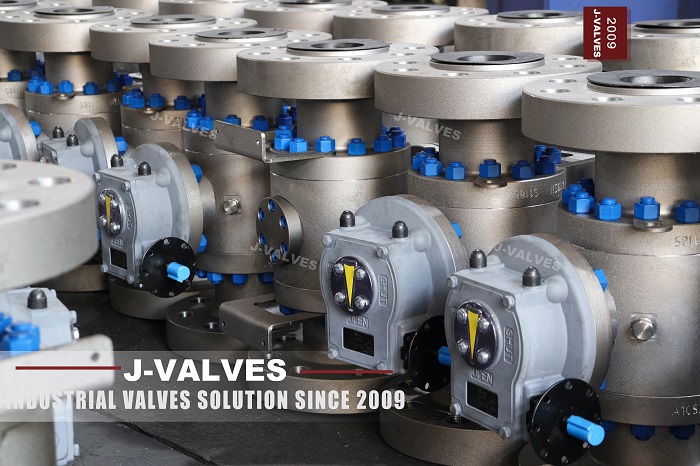
In industries where corrosion, pressure, and temperature reach extreme levels, material selection becomes a critical engineering decision. The Titanium Trunnion Ball Valve is designed specifically for such demanding environments, combining the mechanical stability of a trunnion-mounted structure with the exceptional performance of titanium alloys.
This type of valve is increasingly chosen for applications where traditional carbon steel or stainless steel valves face limitations in durability and lifecycle cost.
Why Titanium for Trunnion Ball Valves?
Titanium is recognized as a premium material in industrial valve manufacturing due to its unique combination of properties:
Outstanding corrosion resistance against seawater, chlorides, acids, and aggressive chemical media
High strength-to-weight ratio, reducing overall system load
Excellent resistance to pitting, crevice corrosion, and stress corrosion cracking
Long service life even in continuously harsh operating conditions
When integrated into a trunnion-mounted ball valve design, titanium delivers both structural reliability and long-term performance stability.
Structural Advantages of Trunnion-Mounted Design
Unlike floating ball valves, trunnion ball valves use a mechanically anchored ball supported by upper and lower trunnions. This design provides several operational advantages:
Reduced operating torque, even under high pressure
Stable sealing performance for large diameters
Lower wear on seats and sealing components
Enhanced safety during frequent operation
Combined with titanium construction, the valve performs consistently in high-pressure, high-cycle, and corrosive environments.
Performance in Extreme Operating Conditions
Titanium trunnion ball valves are particularly suitable for applications where environmental and process conditions are severe:
Offshore and subsea systems exposed to saltwater and high humidity
Chemical processing plants handling aggressive acids and chlorides
Desalination and seawater intake systems
Oil & gas production with corrosive media and high pressure
Power generation environments requiring long-term reliability
In these conditions, titanium significantly reduces maintenance frequency and unplanned downtime.
Sealing Reliability and Operational Safety
The trunnion-mounted titanium ball valve is typically equipped with:
Metal or soft seats engineered for tight shutoff
Fire-safe and anti-static design options
Blowout-proof stem structure
Compatibility with manual, pneumatic, or electric actuators
These features ensure reliable isolation, even under fluctuating pressure and temperature conditions.
Cost Efficiency Over the Valve Lifecycle
Although titanium valves have a higher initial cost compared to conventional materials, they offer clear economic advantages over time:
Extended service life
Reduced corrosion-related failures
Lower maintenance and replacement costs
Improved system uptime
For critical applications, the total cost of ownership is often significantly lower.
Conclusion
The Titanium Trunnion Ball Valve represents a high-performance solution for industries operating in extreme environments. By combining advanced material science with robust trunnion-mounted engineering, it delivers superior corrosion resistance, operational stability, and long-term value.
For applications where reliability is non-negotiable, titanium is not an upgrade—it is a necessity


