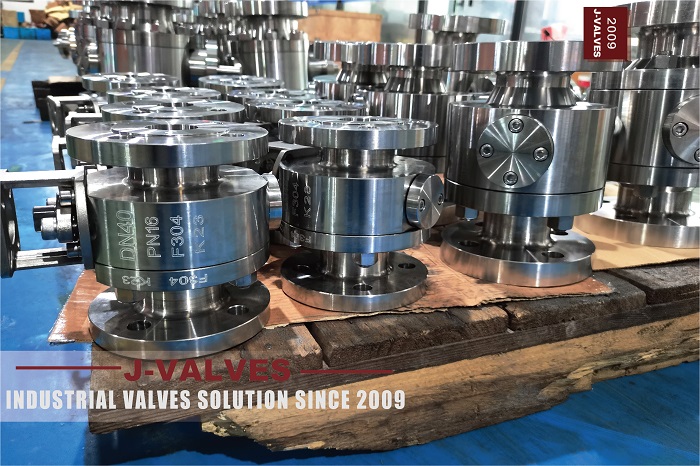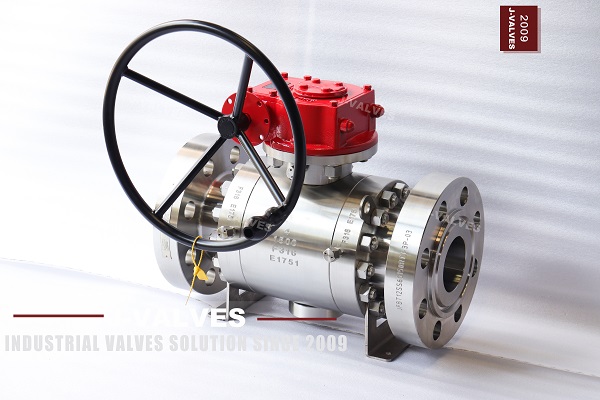


Floating ball valves are one of the most commonly used types of valves in fluid control systems across various industries. With a simple yet effective design, they provide a reliable means of regulating flow and pressure, especially in low to medium-pressure applications.
What is a Floating Ball Valve?
A floating ball valve is a type of valve where the ball inside is not fixed to the valve body but rather "floats" within the seat. The ball is held in place by the pressure of the flow, which pushes it against the downstream seat, creating a tight seal when the valve is closed. This simple, yet robust design makes floating ball valves an ideal choice for a variety of applications, including oil and gas, water treatment, and chemical processing.
Key Design Features of Floating Ball Valves
Ball Design: The primary feature of floating ball valves is the spherical ball that controls the flow. The ball is positioned between two seats, and when the valve is closed, the ball seals the flow path, preventing any leakage. The ball is typically made from materials like stainless steel, brass, or carbon steel, chosen for their durability and resistance to corrosion.
Floating Mechanism: Unlike trunnion-mounted ball valves, where the ball is fixed in place by trunnions, the ball in a floating ball valve is not fixed. This allows the ball to "float" freely within the valve body. The ball moves toward the downstream seat when fluid pressure is applied, forming a tight seal. This mechanism ensures that the valve remains leak-tight and provides reliable flow control.
Seats: Floating ball valves typically have two soft or metal seats positioned on either side of the ball. These seats are crucial for maintaining a leak-tight seal when the valve is closed. The seats are designed to deform slightly to ensure a tight seal, especially under varying pressure conditions. Materials for the seats include elastomers, plastics, and metal alloys.
Actuation Options: Floating ball valves can be operated either manually using a handwheel or automatically with an actuator. The actuator can be powered by pneumatic, electric, or hydraulic energy, depending on the application’s needs. This versatility makes floating ball valves adaptable to a wide range of systems.
Flow Path: The ball has a bore (hole) through its center that aligns with the pipe's flow path when the valve is open. When the valve is closed, the bore is rotated away from the flow path, effectively stopping the flow of fluid.
Body Construction: The valve body is typically made of high-strength materials such as forged steel, which ensures durability and the ability to handle high pressures. The body is also designed to withstand corrosion and wear, especially in aggressive environments.
Advantages of Floating Ball Valves
Simplicity and Cost-Effectiveness: The floating ball valvedesign is simple, with fewer components than other valve types like trunnion-mounted ball valves. This simplicity leads to lower manufacturing and maintenance costs.
Leakage Prevention: The pressure from the fluid helps seal the ball against the downstream seat, ensuring that the valve maintains its leak-tight capabilities even at higher pressures.
Durability and Reliability: Floating ball valves are known for their long-lasting durability. With fewer moving parts and a straightforward design, the risk of failure is minimized, making them a reliable choice for many industries.
Compact Design: Compared to other valve types, floating ball valves offer a more compact design, which is ideal for systems where space is a concern.
Easy Maintenance: The simplicity of floating ball valves also makes them easier to maintain. Replacement of parts like the ball or seats can be done quickly, reducing downtime.
Applications of Floating Ball Valves
Floating ball valves are widely used across various industries, including:
Oil and Gas: For controlling the flow of oil, gas, and other fluids in upstream and downstream operations.
Water Treatment: To regulate the flow of water in treatment plants, ensuring proper control over the distribution of fluids.
Chemical Processing: For handling chemicals under varying temperature and pressure conditions while maintaining safety and control.
Power Plants: Floating ball valves play a critical role in the control of cooling water and steam systems, ensuring safe and efficient energy production.
Choosing the Right Floating Ball Valve
When selecting a floating ball valve, consider the following factors:
Size and Pressure Rating: Ensure the valve is rated to handle the specific pressure and flow rate required for your system.
Material Compatibility: Choose materials that are compatible with the fluids being transported, especially in corrosive environments.
Temperature Range: Ensure the valve is designed to withstand the operating temperature of the system.
End Connections: Verify that the valve’s end connections match those of the piping system, whether it’s flanged, threaded, or welded.
Conclusion
Floating ball valves offer a reliable, cost-effective solution for flow control in a wide range of industrial applications. With their simple design, minimal maintenance needs, and excellent sealing capabilities, they continue to be a go-to choice for controlling the flow of liquids and gases in diverse systems. Whether you're working in oil and gas, water treatment, or chemical processing, understanding the key design features of floating ball valves will help you select the right valve for your needs.