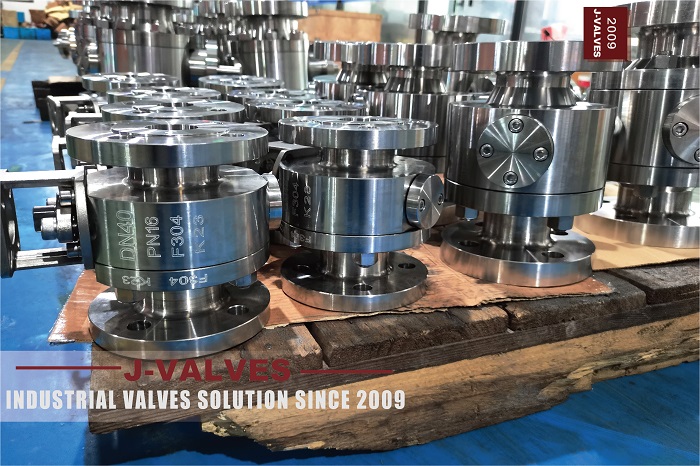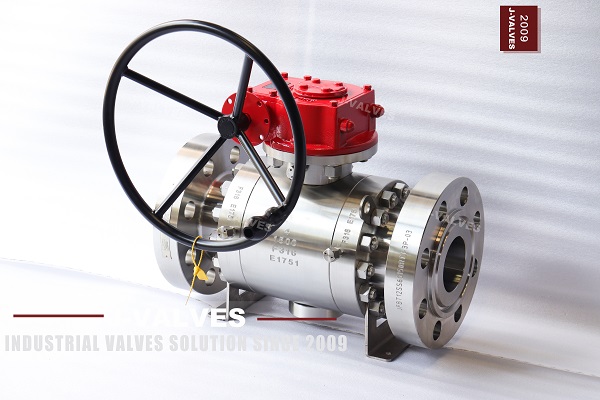


Double Block and Bleed (DBB) ball valves are widely used in high-pressure and critical fluid systems for complete isolation, leak detection, and safe maintenance. Proper maintenance of the stem and seat components is essential for ensuring long-term reliability, leak-free operation, and minimal downtime.
1. Understanding DBB Ball Valve Stem and Seat
Stem: Connects the actuator or manual handle to the valve ball. Transmits torque to rotate the ball for opening or closing. Proper alignment and lubrication are critical to prevent wear or binding.
Seat: Provides the primary sealing interface between the ball and valve body. Maintains tight shut-off under high pressure and prevents fluid leakage.
Both components are subject to mechanical stress, chemical exposure, and erosion, making regular inspection and maintenance essential.
2. Common Issues Affecting Stem and Seat
Wear and Erosion
Caused by abrasive fluids or particulate-laden flow.
Leads to poor sealing and increased operating torque.
Corrosion
Exposure to aggressive chemicals or seawater can degrade the stem and seat materials.
Results in leaks and potential valve failure.
Misalignment or Sticking
Stem misalignment can increase torque or prevent full valve closure.
Debris accumulation may cause sticking or incomplete sealing.
Seat Deformation
High-pressure cycles can compress or deform the valve seat.
Compromises leak-tightness and may require replacement.
3. Maintenance Best Practices for Stems
Visual Inspection: Check for corrosion, pitting, or mechanical damage.
Lubrication: Apply suitable high-pressure, chemical-resistant lubricants to reduce friction and torque.
Torque Verification: Ensure the stem rotates smoothly within specified torque limits.
Alignment Check: Confirm actuator or handle alignment with stem to prevent stress.
Protective Coating: Apply anti-corrosion coatings in corrosive environments if required.
4. Maintenance Best Practices for Seats
Regular Inspection: Check seat integrity for wear, deformation, or cracking.
Cleaning: Remove deposits or debris that can prevent proper sealing.
Seat Replacement: Replace damaged or worn seats promptly to maintain leak-tight performance.
Material Compatibility: Ensure replacement seats are compatible with system fluids and operating conditions (PTFE, PEEK, or metal depending on application).
Pressure Testing: After maintenance, perform leak and pressure tests to verify seat sealing.
5. Operational Tips for Longevity
Minimize Abrasive Flow: Use upstream filters or strainers to reduce particulate load.
Avoid Frequent Cycling at High Pressure: Limit unnecessary opening/closing cycles under full pressure.
Bleed Port Use: Periodically operate the bleed port to relieve trapped pressure and flush debris.
Scheduled Preventive Maintenance: Establish maintenance intervals based on system pressure, fluid type, and valve usage frequency.
6. Material Considerations

Selecting proper materials helps reduce wear, corrosion, and maintenance frequency, ensuring reliable valve operation.
7. Conclusion
Regular maintenance of DBB ball valve stems and seats is essential for continuous industrial operation. Key practices include:
Routine inspection and cleaning
Proper lubrication and alignment of the stem
Monitoring and replacement of seats as needed
Pressure testing after maintenance to verify integrity
By implementing these strategies, engineers can ensure leak-free operation, prolonged valve life, and minimal system downtime in high-pressure industrial pipelines.