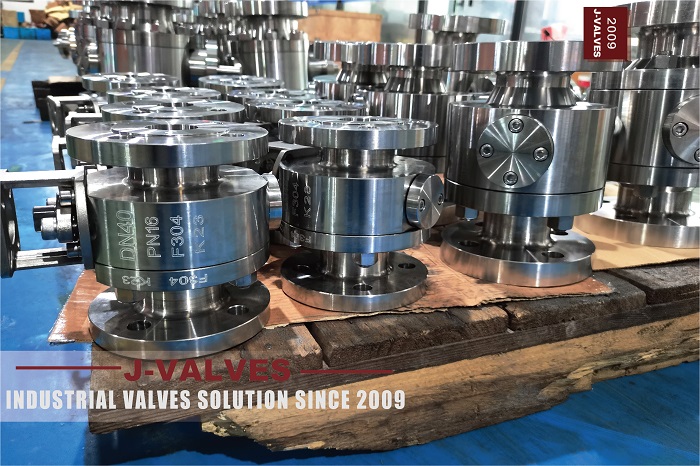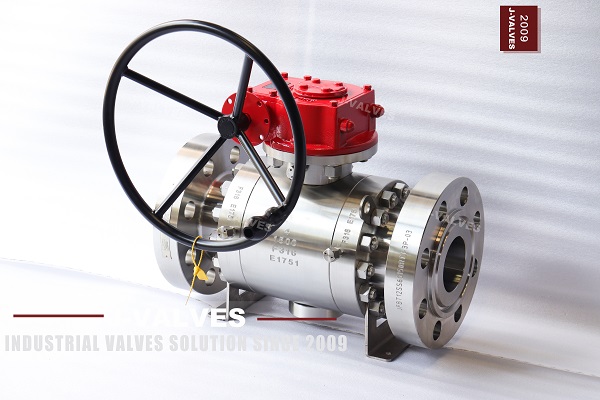


In offshore platform engineering, a valve is not chosen just because it fits the piping line. It must perform reliably under high pressure, salt spray, vibration, limited maintenance access, and long continuous service.
That is why more and more projects now specify API 6D certification for forged trunnion ball valves. In many cases, this requirement is more practical than a general “API-certified” note, because offshore systems need strong pipeline isolation performance, stable sealing, and dependable long-term operation.
1. API 6D vs API 600: What is the real difference?
| Item | API 6D | API 600 |
Main valve focus | Pipeline valves, including ball valves, gate valves, and check valves | Mainly steel gate valves |
Typical application | Oil & gas pipelines, offshore platforms, pipeline stations | Industrial gate valve service |
Main concern | Pipeline integrity, sealing reliability, operational stability | Gate valve design and manufacturing requirements |
Fit for trunnion ball valves | High | Lower |
Common use in offshore projects | Very common | Less common for this valve type |
As the table shows, API 6D is more aligned with pipeline and system-level service, while API 600 is primarily associated with gate valves. For forged trunnion ball valves, API 6D is usually the more natural fit.
2. Why do offshore projects prefer API 6D?
1) Offshore service leaves very little room for failure
When equipment is installed offshore, any leakage, sticking, or sealing issue can become expensive and difficult to repair.
API 6D is widely used because it supports pipeline applications where reliability matters from the start.
2) Trunnion ball valves are built for pipeline isolation
Forged trunnion ball valves are often selected because they offer:
Stable operating torque
Strong performance in large-size and high-pressure service
Good sealing behavior
Long service life
These features match the logic of API 6D very well.
3) Offshore projects need system compatibility
An offshore platform is not just about one valve. It is about how the valve works inside the full pipeline system.
API 6D certification makes it easier to align with project specifications, inspection requirements, and package-level procurement.
4) Standardized procurement becomes easier
Once a project defines API 6D as the required standard, engineering, purchasing, and operations teams can work more consistently. That helps reduce confusion, save time, and avoid mismatches during approval.
3. What does API 6D mean for a forged trunnion ball valve?
API 6D is not just a label in a brochure. It affects how the valve is expected to perform in the field.
In practical terms, it means:
Better fit for pipeline isolation service
Better alignment with offshore pressure conditions
Easier standard-based acceptance
Stronger compatibility with oil and gas projects
It helps reduce:
Leakage risk
Maintenance frequency
System downtime
Specification conflicts during procurement
4. Why not just use API 600?
API 600 is not a weak standard. It is simply intended for a different valve type.
Since API 600 is mainly related to gate valves, it does not match the main application logic of forged trunnion ball valves as well as API 6D does.
In other words:
Choose the right valve type first
Then choose the right standard
That is how project risk is reduced
5. How should offshore projects choose valves more safely?
Here are the key factors to check:
| Selection factor | Recommendation |
Fluid type | Evaluate seawater, gas, crude oil, and condensate separately |
Pressure class | Prefer pipeline-grade valves for demanding service |
Sealing demand | Focus on low leakage and long-term sealing stability |
Installation space | Offshore platforms often require compact designs |
Certification | Match the project specification instead of relying on general standards |
Maintenance cost | Offshore maintenance is difficult, so low-maintenance solutions are preferred |
6. Why are more projects explicitly specifying API 6D?
It is not only because the standard is “better.”
It is because projects want to:
Reduce early-stage selection disputes
Improve acceptance and inspection consistency
Lower long-term operation and maintenance risk
That is why more offshore engineering projects now specify API 6D certified forged trunnion ball valves. For buyers, it is not extra paperwork. It is a practical way to reduce project risk.
7. Conclusion
For offshore platform engineering, selecting a forged trunnion ball valve is not only about size and pressure rating. It is also about whether the valve truly fits the pipeline system and offshore operating environment.
API 6D certification is increasingly specified because it better matches the safety, stability, sealing, and system compatibility needs of offshore projects.
FAQ
Q1: Which standard is better for forged trunnion ball valves, API 6D or API 600?
A: API 6D is usually the better fit because it is designed for pipeline valve service.
Q2: Why do offshore projects prefer API 6D?
A: Offshore service is demanding, and API 6D better supports reliable isolation, sealing stability, and system-level compatibility.
Q3: Is API 600 used for trunnion ball valves?
A: It is not the most common certification direction for that valve type. API 6D is more commonly specified.