


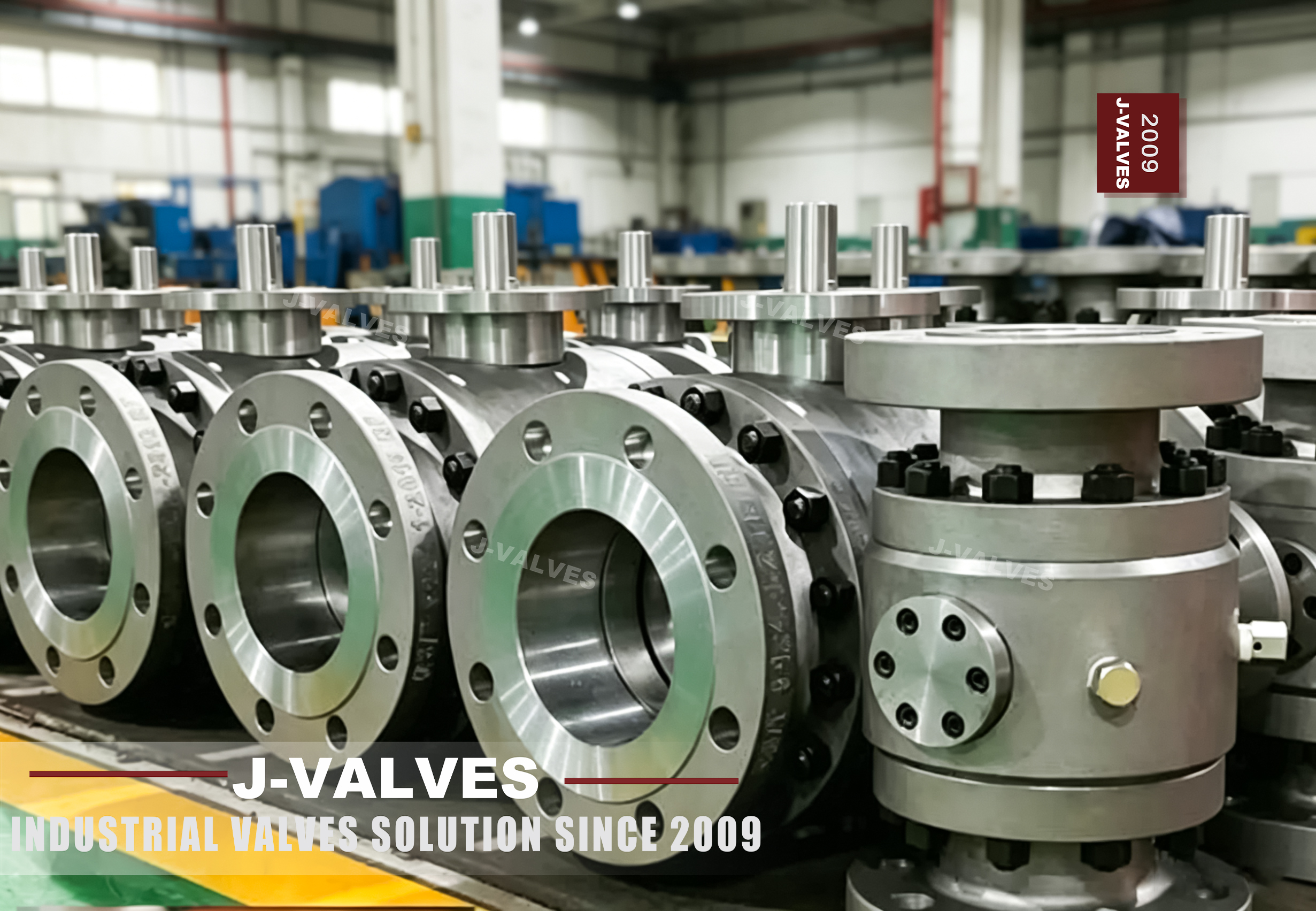
High-temperature service often exposes weak points in valves, such as seal failure, material expansion, increased torque, and shortened service life. When buyers compare valve options, certification is often the first thing they look at. However, CE certification and API certification do not mean the same thing.
In simple terms, CE is mainly related to market compliance, while API standards are more focused on industrial performance, especially in oil, gas, petrochemical, and energy applications. For a 3PC trunnion ball valve, if the working condition involves high temperature, high pressure, and continuous operation, the API route is usually closer to the actual engineering need. Still, stability depends not only on certification, but also on design, materials, sealing structure, and manufacturing quality.
1. What Do CE and API Actually Represent
CE Certification
CE is primarily a compliance mark for products sold in regulated markets. It shows that a product meets applicable legal and safety requirements. It does not automatically mean the valve is better for high-temperature service.
API Certification
API-related standards are widely used in demanding industries such as oil and gas, petrochemicals, and energy. They usually place stronger emphasis on design, testing, materials, and performance consistency.
What Is a 3PC Trunnion Ball Valve
A 3PC trunnion ball valve is a three-piece structure valve with a trunnion-mounted ball. It is often used because:
maintenance is easier
it performs well under higher pressure
operation is more stable
it is common in larger sizes and demanding systems
2. CE vs API in High-Temperature Service
Item | CE-Certified 3PC Ball Valve | API-Certified 3PC Ball Valve |
Main focus | Compliance and safety | Industrial standards and performance |
High-temp approach | Depends heavily on design and materials | More focused on testing and service fit |
Typical industries | General industrial use | Oil, gas, petrochemical, energy |
Seal stability | Indirectly affected | More directly addressed |
Buying logic | Compliance first, then configuration | Standard first, then service condition |
As the table shows, CE certification does not automatically mean better high-temperature performance, and API certification does not guarantee perfect heat resistance either. Real stability comes from whether the valve is properly engineered for the service condition.
3. Why API-Certified Valves Are Often Preferred in High-Temperature Applications
High-temperature service usually creates several challenges:
1. Thermal Expansion
When temperature rises, metal parts and sealing materials expand. If the design is not proper, sealing preload may change and leakage risk may increase.
2. Seal Aging
Heat accelerates the aging of sealing materials. Standard materials may lose elasticity over time.
3. Torque Variation
Temperature changes can affect the fit between the ball, seat, and stem, which may increase operating torque.
4. Continuous Operation
High-temperature service is often not occasional. It is usually long-term and continuous, which demands higher stability.
That is why API-based solutions are often preferred in such projects: they focus more on engineering fit and performance verification, not only on market entry compliance.
4. What Determines Stability in a High-Temperature 3PC Trunnion Ball Valve
Even among API-certified products, performance can still vary. The following factors matter most:
1. Body Material
Carbon steel, stainless steel, and alloy steel behave differently under heat. Wrong material selection can lead to distortion or failure.
2. Seat Sealing Design
Soft seats and metal seats perform differently at high temperatures. In many high-temp applications, long-term sealing retention becomes the key concern.
3. Fire-Safe Design
In extreme service, fire-safe design can improve overall safety.
4. Stem and Support Structure
The stability of a trunnion ball valve often depends on how reliable the stem and support system are.
5. Testing Level
High-temperature testing, pressure testing, leakage testing, and cycle testing matter more than a certificate name alone.
5. Which One Is More Stable in High-Temperature Service
If we only compare certification names, there is no absolute winner.
But from an engineering point of view, the usual rule is:
General industrial use and standard service conditions: CE-certified valves may be sufficient
High temperature, high pressure, continuous operation, and high leakage risk: API-certified valves usually offer a stronger fit
The most stable solution: not the “bigger” certificate, but the valve whose standard, materials, sealing, and testing match the service condition
In other words, the most stable high-temperature valve is the one designed for the job.
6. How to Choose the Right Valve
Ask these questions before making a decision:
What is the maximum media temperature?
Is the heat continuous or intermittent?
Is there pressure fluctuation?
Is the media corrosive?
Is fire-safe performance required?
Does the project specification clearly require API?
For oil, gas, petrochemical, and energy projects with demanding temperature conditions, an API-certified 3PC trunnion ball valve is usually the better starting point.
For general industrial applications with clear compliance requirements, a CE-certified product may also be suitable.
7. Conclusion
For high-temperature service, an API-certified 3PC trunnion ball valve is often more closely aligned with engineering needs and easier to optimize for stability. That does not mean CE-certified products are not useful. It simply means the two certifications serve different purposes.
The best approach is to treat certification as the baseline, then evaluate materials, sealing design, and test results as the real decision factors. That is how you choose a valve that can run more steadily in high-temperature service.
Remember this simple rule: certification shows compliance, while design decides stability.


