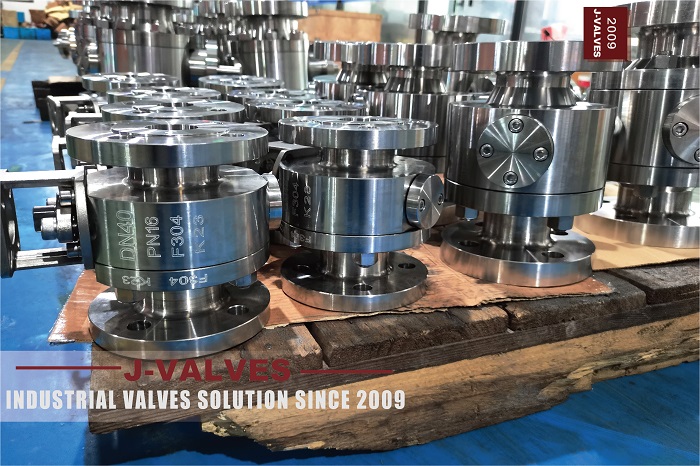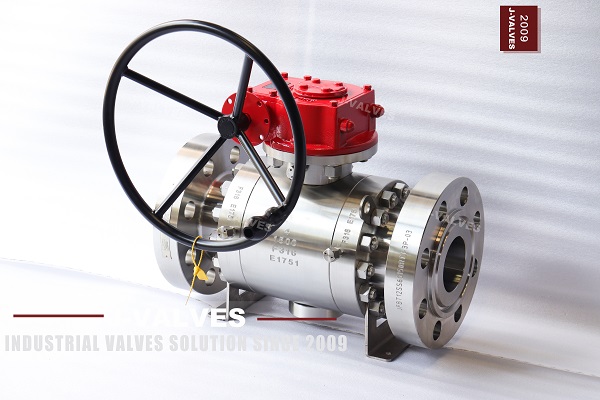


Double Block and Bleed (DBB) ball valves are critical components in industrial fluid control systems, designed to provide reliable isolation and safety by ensuring that no fluid can pass through the valve when it is closed. The sealing integrity of DBB ball valves is essential for preventing leaks, ensuring safety, and maintaining operational efficiency.
DBB ball valves are engineered to provide a secure double block and bleed function, which means they can block fluid flow in both directions and allow for the safe depressurization of the line. This dual functionality makes them ideal for applications where safety and reliability are paramount, such as in the oil and gas, chemical processing, and petrochemical industries.
Key Components of DBB Ball Valves
1. Ball: The central component that controls the flow by rotating to align or block the flow path.
2. Valve Body: The main structure that houses the ball and other internal components.
3. Seats: The sealing elements that create a tight seal around the ball when the valve is closed.
4. Stem: The component that connects the actuator to the ball, allowing for precise control.
5. Actuator: The device that operates the valve, which can be manual, pneumatic, hydraulic, or electric.
6. Bleed Port: A small port that allows for the safe release of pressure when the valve is closed.
Importance of Sealing Integrity
Maintaining the sealing integrity of DBB ball valves is crucial for several reasons:
1. Safety: Ensures that hazardous fluids do not leak, preventing potential environmental and safety hazards.
2. Efficiency: Prevents fluid loss and ensures optimal system performance.
3. Compliance: Meets regulatory requirements for safety and environmental protection.
4. Longevity: Extends the lifespan of the valve by reducing wear and tear on critical components.
Maintenance Practices to Ensure Sealing Integrity
1. Regular Inspections
Regular inspections are the first line of defense in maintaining sealing integrity. Key inspection points include:
Visual Inspection: Check for visible signs of wear, corrosion, or damage on the valve body, stem, and actuator.
Seat Integrity: Inspect the seats for any signs of wear, deformation, or damage. Damaged seats can compromise sealing performance.
Bleed Port: Ensure the bleed port is clear and functioning correctly. A clogged bleed port can prevent proper depressurization.
2. Lubrication
Proper lubrication is essential for reducing friction and wear on moving parts. Key steps include:
Lubricate the Stem: Apply a high-quality lubricant to the stem to ensure smooth operation and prevent corrosion.
Grease the Seats: Use a compatible grease to lubricate the seats, reducing wear and enhancing sealing performance.
3. Pressure Testing
Periodic pressure testing ensures that the valve maintains its sealing integrity under operating conditions. Key steps include:
Hydrostatic Testing: Perform hydrostatic tests to check for leaks and ensure the valve can handle the maximum operating pressure.
Pneumatic Testing: Use pneumatic tests to verify the valve's ability to seal against air pressure, which can help detect minor leaks.
4. Cleaning and Debris Removal
Accumulated debris can compromise the sealing performance of DBB ball valves. Key steps include:
Internal Cleaning: Regularly clean the valve internals to remove any debris or foreign particles that could interfere with the seal.
External Cleaning: Clean the valve body and actuator to prevent corrosion and ensure proper operation.
5. Replacement of Worn Components
Timely replacement of worn or damaged components is crucial for maintaining sealing integrity. Key steps include:
Replace Seats: Replace worn or damaged seats to ensure a tight seal.
Replace Seals and Gaskets: Replace any seals or gaskets that show signs of wear or damage.
Inspect and Replace the Ball: If the ball shows signs of wear or damage, it may need to be replaced to maintain sealing performance.
Troubleshooting Common Issues
1. Leaks
Leaks are a common issue that can compromise sealing integrity. Troubleshooting steps include:
Identify the Source: Determine whether the leak is coming from the stem, seats, or body.
Inspect for Damage: Check for any visible damage or wear on the affected components.
Replace or Repair: Replace or repair the damaged components as necessary.
2. Incomplete Sealing
Incomplete sealing can occur due to worn seats or debris in the valve. Troubleshooting steps include:
Clean the Valve: Remove any debris that may be interfering with the seal.
Inspect the Seats: Check the seats for wear or damage and replace if necessary.
Adjust the Actuator: Ensure the actuator is properly aligned and calibrated to provide sufficient torque for sealing.
3. Bleed Port Issues
Problems with the bleed port can prevent proper depressurization. Troubleshooting steps include:
Check for Blockages: Ensure the bleed port is clear of any debris or blockages.
Inspect for Damage: Check the bleed port for any signs of damage or wear.
Replace if Necessary: Replace the bleed port if it is damaged or severely clogged.