


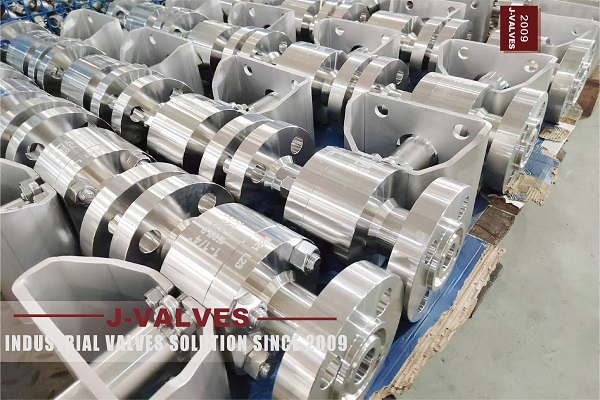
Cryogenic Double Block and Bleed (DBB) ball valves are critical components in LNG, liquid oxygen, liquid nitrogen, and other low-temperature applications. Operating at temperatures as low as -196°C, these valves must maintain reliable sealing, structural integrity, and operational performance under extreme conditions. To ensure safety and long-term reliability, cryogenic DBB ball valves are subjected to rigorous testing procedures and international standards before being placed into service.
Why Cryogenic Testing Is Essential
Unlike conventional ball valves, cryogenic valves experience severe thermal contraction and material stress during operation. Without proper testing, potential issues may include:
1.Seat leakage at low temperatures
2.Stem seal failure
3.Material brittleness
4.Increased operating torque
5.Pressure containment failure
Comprehensive testing verifies that the valve can perform safely under actual cryogenic service conditions.
Key Testing Procedures
1. Shell Pressure Test
The shell test evaluates the pressure-retaining capability of the valve body and bonnet.
Objectives:
1.Verify structural integrity
2.Detect casting or forging defects
3.Ensure pressure containment
Hydrostatic testing is typically conducted at pressures above the valve's rated working pressure.
2. Seat Leakage Test
Seat testing confirms the effectiveness of the DBB sealing system.
Inspection Focus:
1.Upstream seat sealing
2.Downstream seat sealing
3.Double isolation performance
4.Bleed cavity leakage verification
This test is critical for applications requiring zero or near-zero leakage.
3. Cryogenic Temperature Test
The most important qualification test involves exposing the valve to extremely low temperatures.
During testing:
1.The valve is cooled using liquid nitrogen or similar cryogenic media.
2.Leakage rates are measured at low temperature.
3.Operational torque is monitored.
4.Stem sealing performance is evaluated.
The valve must maintain sealing integrity throughout the cooling and warming cycle.
4. Operational Torque Testing
Cryogenic temperatures can affect seat compression and material dimensions.
Torque testing verifies:
1.Smooth opening and closing
2.Actuator compatibility
3.Consistent operating performance
Excessive torque may indicate improper seat design or thermal contraction issues.
5. Fugitive Emission Testing
For LNG and hazardous gas applications, stem and body seals must prevent external leakage.
Testing evaluates:
1.Stem sealing effectiveness
2.Environmental containment performance
3.Long-term sealing stability
Major Standards for Cryogenic DBB Ball Valves
BS 6364
BS 6364 is one of the most widely recognized standards for cryogenic valve testing.
It specifies:
1.Cryogenic test procedures
2.Temperature requirements
3.Leakage acceptance criteria
4.Operational performance verification
Many LNG projects require compliance with BS 6364.
API 6D
API 6D provides requirements for pipeline valves used in oil and gas transmission systems.
Key areas include:
1.Pressure testing
2.Seat leakage testing
3.Design verification
4.Quality control requirements
API 598
API 598 establishes inspection and pressure testing procedures for industrial valves.
It covers:
1.Hydrostatic shell tests
2.Seat leakage tests
3.Visual inspection requirements
ISO 28921
ISO 28921 focuses specifically on cryogenic isolation valves and testing methods for low-temperature service.
Material Verification Requirements
Cryogenic valve materials must maintain toughness at extremely low temperatures.
Common materials include:
1.ASTM A351 CF8M
2.ASTM A351 CF3M
3.Stainless steel forgings
4.Low-temperature alloy steels
Material certification and impact testing are often required before production.
Benefits of Proper Cryogenic Testing
Comprehensive testing helps ensure:
1.Reliable sealing performance
2.Improved operational safety
3.Longer service life
4.Reduced maintenance requirements
5.Compliance with international project specifications
Conclusion
Cryogenic DBB ball valves operate in some of the most demanding industrial environments, making testing and certification essential. Procedures such as shell testing, seat leakage testing, cryogenic temperature testing, and torque verification help confirm valve performance under extreme low-temperature conditions.


